
HOW TO: Remove a Radiator
Whether you’re painting behind it, changing your flooring, or doing a bit of plumbing work, knowing how to remove a radiator properly will save you hassle – and help avoid unwanted puddles on the carpet.
It’s a manageable DIY job if you’re careful, and we’ve broken it down into easy steps.

What You’ll Need
Adjustable spanner or radiator spanner
Bucket or large bowl
Towels or dust sheets
Old rags or cloths
PTFE tape (for re-fitting later)
Radiator bleed key
All tools and consumables are available in-branch at Youngs.
Before You Start
This guide covers standard wall-mounted radiators connected with visible valves (not underfloor or hidden systems). If you’re unsure about your heating setup, always check with a plumber.
Step 1 – Turn Off the Heating
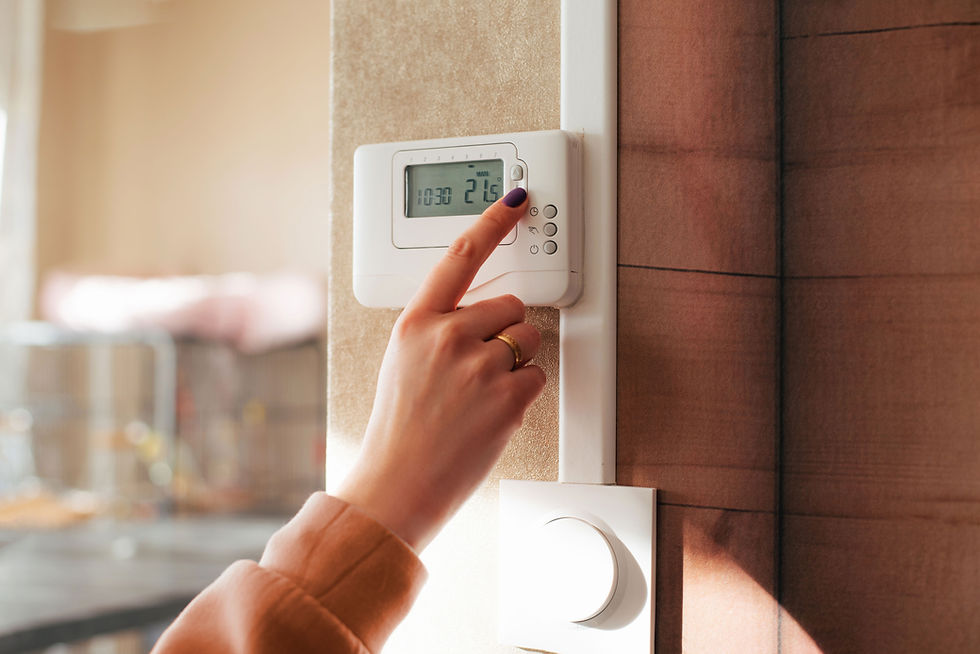
Make sure your central heating is off and your system has cooled down completely. You don’t want to be dealing with hot water or pressurised pipes.
Step 2 – Close the Valves
At the bottom of your radiator, you’ll see two valves:
One is the manual control valve (thermostatic or twist type)
The other is the lockshield valve (usually capped)
To close both valves:
Turn the manual valve clockwise until it stops
Remove the plastic cap on the lockshield valve, then use a spanner to gently close it (clockwise). Count the number of turns so you can return it to the same position later
This stops water flowing into or out of the radiator.
Step 3 – Bleed the Radiator
Use a radiator key to slowly open the bleed valve at the top of the radiator. This releases any pressure and lets air in so the water can drain out easier.
Step 4 – Loosen the Valve Nuts
Place your bucket under one of the valves.
Use a spanner to loosen the nut that connects the radiator to the valve (not the pipe!).
Tilt the radiator slightly to direct water into the bucket.
Once it slows down, repeat on the other side.
Have towels ready – it’s normal for a bit of water to drip out unexpectedly.
Step 5 – Lift the Radiator Off the Wall Brackets
Once the water’s drained, carefully lift the radiator upwards off its wall brackets. They usually hang on hooks, so lift straight up and away.
Tip the radiator into a bowl or bucket to drain any remaining water inside.
Radiators can be heavy – ask someone to help if needed.

Step 6 – Block or Cap the Pipes (Optional)
If the radiator’s staying off for a while, you can use decorator’s caps or temporary valve caps to stop any drips from the pipework.
Need to Put It Back On?
Reattaching the radiator is simply the reverse of removal. Don’t forget to:
Wrap PTFE tape around the valve threads before reconnecting
Bleed the radiator again after the heating is turned back on
Check all nuts are tight (but not over-tightened)
Watch for any leaks around joints
In Summary
Taking a radiator off the wall isn’t difficult if you follow the steps and take your time. Whether you’re decorating, tiling, or just need better access to a wall, doing it properly will save you from mess and hassle.
Need spanners, PTFE tape, or temporary valve caps?
Pop into your local Youngs branch – we keep all the essentials in stock and we’re happy to help if you’re not sure what you need.


